
International Conference "Geoscience and Exploration Central Asia: Geology, Resources, Future of Eurasia", organized by National Geological Service
International Conference with main sessions: 1. Geological science and education-training the personnel of the future 2. New discoveries and investment potential of Central Asia 3. Geological heritage and geoparks of Eurasia: science, public policy and legal mechanisms of conservation (jointly with UNESCO) 4. Hydrocarbon resources 5. Solid minerals
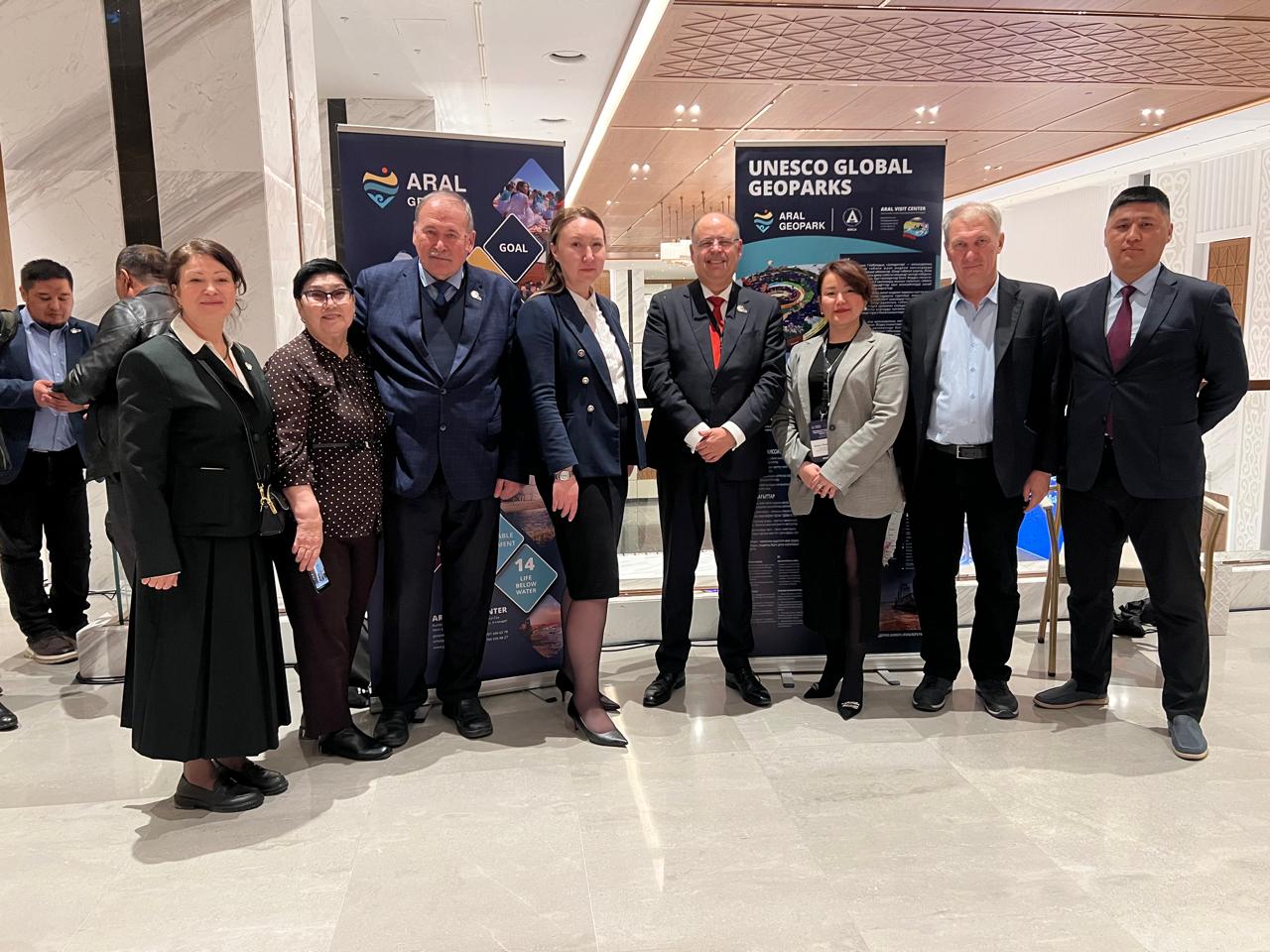
Dr Dilyara Urmanova, Director of the Ban Ki-moon Institute for Sustainable Development at Farabi University, participated in the International Conference “Geoscience and Exploration Central Asia: Geology, Resources, Future of Eurasia,” organised by the National Geological Service.
The conference brought together representatives of academia, government, geological organisations and industry to discuss the future of geoscience and responsible resource development in Central Asia.
The programme covered five principal areas:
- Geological science and education: training the professionals of the future
- New discoveries and the investment potential of Central Asia
- Geological heritage and geoparks of Eurasia: scientific, public policy and legal mechanisms for conservation, jointly with UNESCO
- Hydrocarbon resources
- Solid minerals
Dr Urmanova’s participation reflects Farabi University’s policy of integrating the Sustainable Development Goals into education, research and societal engagement. The conference themes directly contribute to SDG 4: Quality Education, SDG 9: Industry, Innovation and Infrastructure, SDG 12: Responsible Consumption and Production, SDG 15: Life on Land and SDG 17: Partnerships for the Goals.
The discussions highlighted the importance of combining geological research and professional education with responsible resource management, environmental protection and the conservation of Central Asia’s geological heritage.
Participation in this international platform also supported cooperation between universities, geological services, public institutions, UNESCO and industry in advancing a more sustainable future for the region.