
SEG GEOMIN International Conference
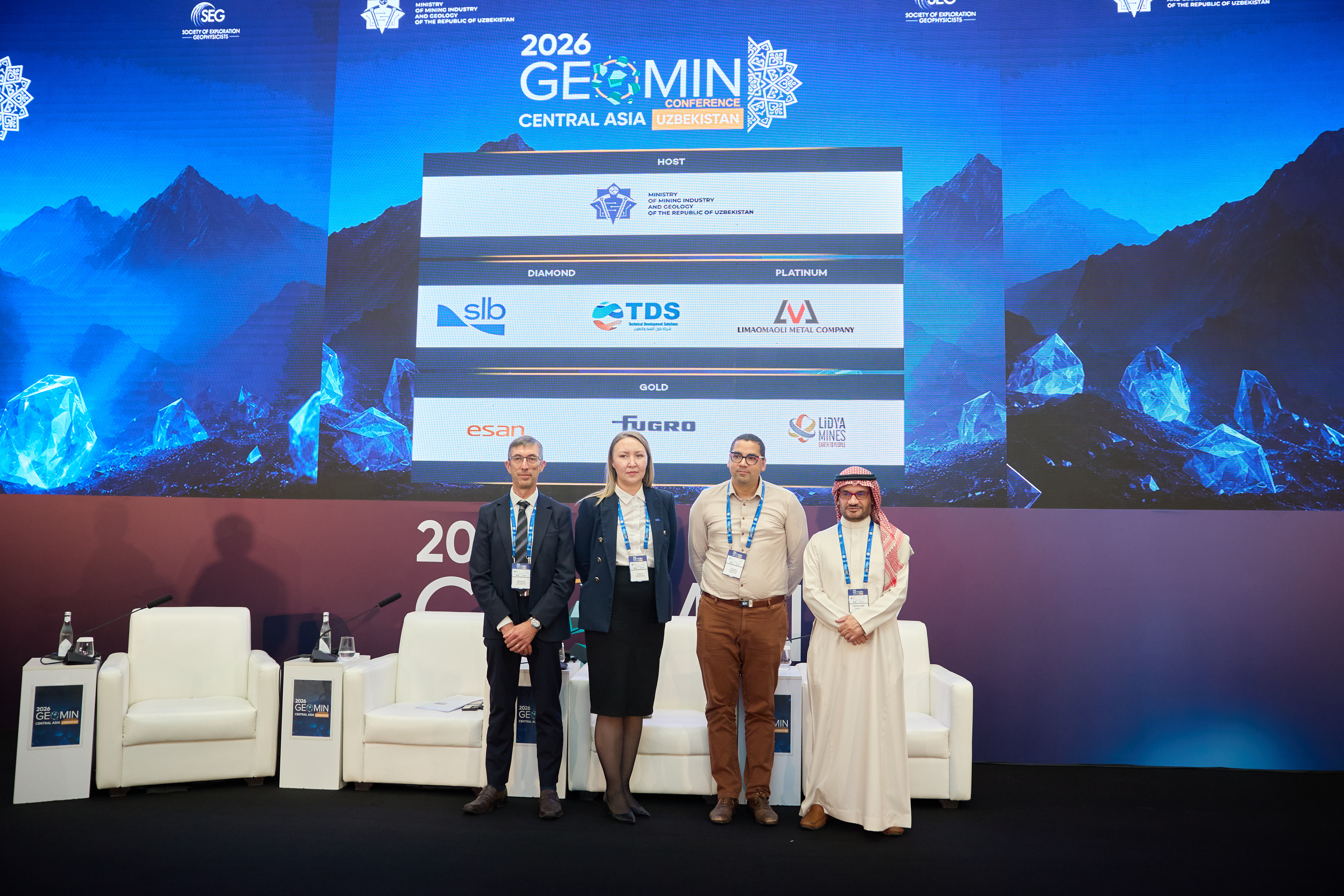
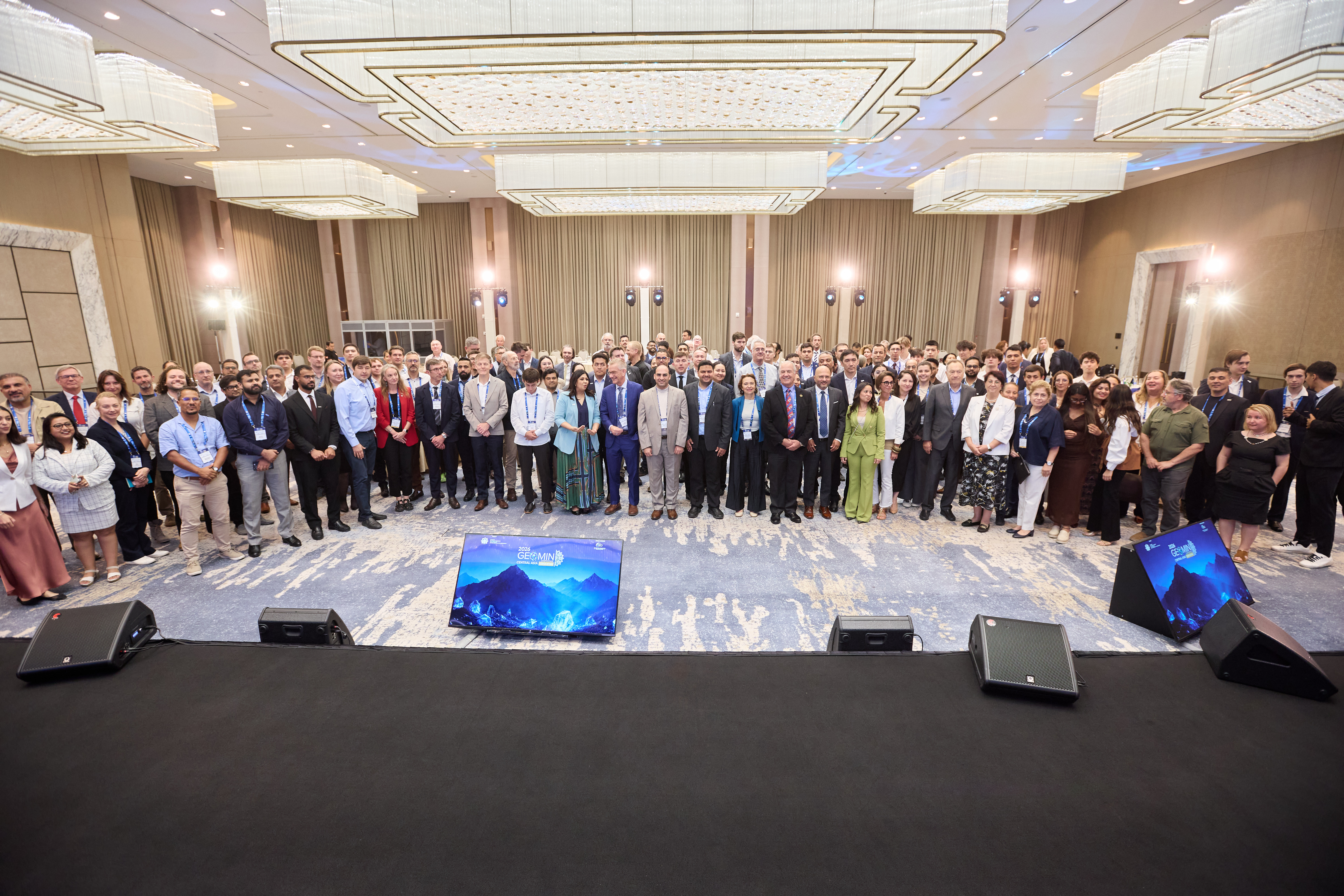
Dr Dilyara Urmanova, Director of the Ban Ki-moon Institute for Sustainable Development at Farabi University, participated as a moderator of several panel sessions at SEG GEOMIN 2026, held in Tashkent from 14 to 16 September 2026.
The conference brought together geoscientists, government representatives, industry experts, technology providers and academic institutions to discuss emerging approaches to mineral exploration, geoscience data management, responsible mining and the role of strategic resources in the energy transition.
Dr Urmanova moderated discussions during the following panel sessions:
- From Geodata to Decisions: Digital Platforms for the Next Generation of Exploration
- National Geoscience Data Strategies: Building Integrated Digital Ecosystems for Mineral Exploration
- Uranium Systems and Strategic Resources for the Energy Transition
- From Extraction to Restoration: Circular Mining, Closure and Environmental Stewardship
- Unlocking Mineral Systems: Airborne Geophysics and Multiphysics Innovation
The sessions addressed how modern geoscience data, digital platforms, airborne surveys and multiphysics technologies can improve the quality of exploration decisions. Participants also discussed the development of national geoscience data infrastructures, the responsible use of uranium and other strategic resources, and the importance of integrating environmental stewardship throughout the entire mining life cycle.
As moderator, Dr Urmanova facilitated dialogue between representatives of science, government and industry, with particular attention to the practical application of geoscientific knowledge in public policy, investment decisions and sustainable resource management.
Earth sciences have a fundamental role in implementing the Sustainable Development Goals. Reliable geological information supports the responsible management of groundwater and other natural resources, the identification of materials required for the energy transition, the reduction of environmental risks and the restoration of land affected by mining.
The conference themes were closely connected with SDG 6: Clean Water and Sanitation, SDG 7: Affordable and Clean Energy, SDG 9: Industry, Innovation and Infrastructure, SDG 12: Responsible Consumption and Production, SDG 13: Climate Action and SDG 15: Life on Land.
The discussions demonstrated that sustainable development requires strong Earth science education, accessible and integrated geoscience data, advanced exploration technologies and clear environmental responsibility. Cooperation among universities, geological surveys, governments and industry is essential for ensuring that the development of Central Asia’s mineral resources contributes to economic progress while protecting ecosystems and the interests of future generations.